CHICAGO, Ill. — Authorities have identified Brant R. Dykehouse, 54, as the individual found deceased inside a West Loop residence earlier this month, an incident that initially prompted a homicide investigation before being reclassified as a suicide. The case has drawn significant community attention and renewed discussion around mental health awareness.
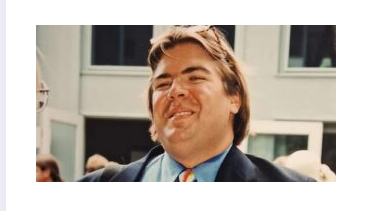
Dykehouse was discovered unresponsive on December 6, 2025, inside his home in the 700 block of West Jackson Boulevard, a busy residential corridor in one of Chicago’s fastest-growing neighborhoods. Due to unusual circumstances at the scene, Chicago police opened the case under a homicide protocol to ensure a full, methodical review of all evidence.
Officials say such investigative steps are standard procedure when a death occurs under unclear or complex conditions. Detectives and forensic specialists spent several days examining the scene, interviewing individuals connected to the case, and reviewing physical evidence to determine what had happened.
Following that analysis, the Cook County Medical Examiner’s Office issued a final ruling that Dykehouse’s death was the result of suicide. The Chicago Police Department later confirmed the updated classification, closing the criminal investigation.
The ruling has left many residents and members of Dykehouse’s broader community processing both the loss and the initial uncertainty surrounding the case. While his personal life and any private struggles have not been publicly disclosed, the tragedy has prompted reflection on the invisible challenges individuals may face, even in the absence of outward signs.
Neighbors in the West Loop described feeling shaken by the incident. Though the area is known for its lively business corridors, restaurants, and high-rise residences, the news brought an unexpected somberness to the community. Many expressed sympathy for Dykehouse’s loved ones and said the incident underscores the need for compassion in addressing mental well-being.
Mental health experts emphasize that complex investigations like this highlight the importance of patience and accuracy in determining the cause of death—especially when initial circumstances raise questions. They also note that such cases can serve as reminders of the broader need for open conversations around emotional health, access to care, and reducing stigma.
As family and friends mourn Dykehouse’s passing, community leaders and health advocates hope the tragedy encourages greater awareness of available mental health resources and the importance of reaching out when someone may be struggling.