The Canadian mental health and wellness community is mourning the death of Maiwan Junior Moaku, widely known as Junior Moaku, a Halifax-based wellness coach, advocate, and public speaker whose work reached communities across Ontario, Quebec, and Atlantic Canada. His death comes amid recent violent sexual assault charges, a development that has complicated the public conversation surrounding his legacy and loss.
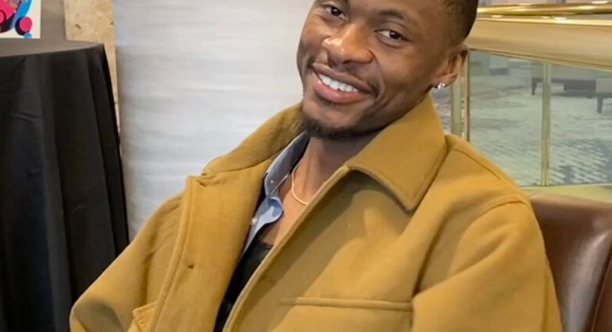
Junior Moaku was the founder of Save Me Save We, a mental health awareness initiative focused on mental health literacy, self-care, and breaking down stigma—particularly around men’s mental health. Through keynote speaking, workshops, and training sessions, he shared his lived experiences with honesty and vulnerability, encouraging open dialogue and access to support for those facing mental health challenges.
Community organizations across Canada have expressed grief at his passing. TEAMWork Cooperative described Moaku as a “dear community partner, friend, and community health advocate,” highlighting his contributions through Save Me Save We and his involvement with TEAMWork Cooperative and the Nova Scotia Career Development Association. In their statement, the organization emphasized his integrity, passion, and commitment to service, noting that he consistently uplifted others through education and advocacy.
Moaku was also a founding member of the Halifax Wanderers FC I.D.E.A. Committee, where he worked to promote inclusion, diversity, equity, and accessibility. The club remembered him as kind, caring, and deeply committed to supporting youth and expanding mental health education. His efforts to normalize conversations around mental wellness left a lasting impression on those who worked alongside him.
Beyond his advocacy work, Moaku was known as a multifaceted individual—an athlete, actor, academic, and business owner—who studied at Acadia University, lived in Hamilton, Ontario, and was originally from Montreal, Quebec. Those close to him often described him as someone who embodied service, dedicating his talents and energy to helping others navigate mental health challenges.
In the wake of his death, organizations and community members have encouraged the public to revisit Moaku’s existing talks and social media content, where his reflections and guidance on mental health continue to resonate. While questions and differing emotions remain following the recent charges, many have acknowledged the complexity of holding space for accountability while also recognizing the impact of a life devoted, in large part, to advocacy and community support.
Condolences have been extended to Moaku’s family, friends, and collaborators as they grieve his passing and reflect on the complicated legacy he leaves behind.