Families of victims and survivors of the Lewiston, Maine, mass shooting — one of the deadliest in the United States in recent years — have filed a lawsuit against the federal government, claiming authorities failed to act on repeated warning signs that could have prevented the tragedy.
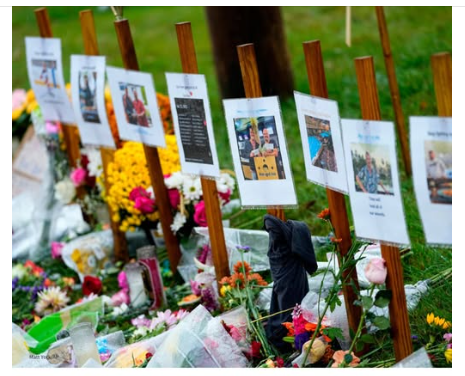
On October 25, 2023, 40-year-old Robert Card, a member of the U.S. Army Reserve, opened fire at two locations in Lewiston, killing 18 people and injuring more than a dozen others. The massacre stunned the state of Maine, shattering a close-knit community and prompting renewed scrutiny of how federal and state agencies respond to credible threats of violence.
Allegations in the Lawsuit
The civil lawsuit, filed on behalf of several families and survivors, alleges that the U.S. Army and federal officials ignored multiple red flags about Card’s behavior in the months leading up to the shooting. According to records, fellow soldiers, relatives, and medical professionals had raised concerns about his mental health, paranoia, and access to firearms.
Court filings point to incidents in which Card made threats against others, exhibited alarming behavior during military training, and was hospitalized for psychiatric evaluation. Despite these incidents, the lawsuit argues, no meaningful steps were taken to restrict his access to firearms or to ensure he received adequate treatment.
Attorneys for the families say the government had a “duty to act” given the seriousness of the warnings and Card’s role as a federally connected servicemember. They contend that the lack of intervention amounted to negligence, leaving civilians vulnerable to a preventable act of mass violence.
Survivors’ and Families’ Voices
For families who lost loved ones, the lawsuit represents both an effort to hold institutions accountable and a way to push for systemic changes.
“This wasn’t just a random act of violence. There were so many warning signs, and the people who could have stopped it didn’t,” said one family member of a victim. “We can’t bring our loved ones back, but we can demand answers and make sure this doesn’t happen to someone else’s family.”
Survivors have also spoken out, describing ongoing trauma and a sense of betrayal. Many say they continue to struggle with physical injuries, emotional scars, and financial hardships stemming from the attack.
Broader Implications
The lawsuit adds to the ongoing national debate over gun access, mental health, and accountability. Legal experts say it could test the boundaries of government liability in cases involving service members whose dangerous behavior is known to military and federal authorities.
The Lewiston shooting has already led to policy reviews in Maine, where state lawmakers and gun safety advocates have pressed for stronger red flag laws and background check systems. The plaintiffs argue that change must also come at the federal level, where gaps in oversight and intervention remain.
A Community Still Healing
Nearly a year after the attack, Lewiston continues to grieve. Memorials honoring the 18 lives lost remain a place of gathering for residents, while local organizations work to provide mental health resources and support for survivors.
For the families pursuing legal action, the lawsuit is not only about accountability but also about honoring the memory of those who died. “We owe it to them to make sure their deaths weren’t in vain,” one relative said.
As the case proceeds, it is expected to draw national attention and potentially reshape discussions about the government’s role in preventing mass shootings when credible threats are raised.